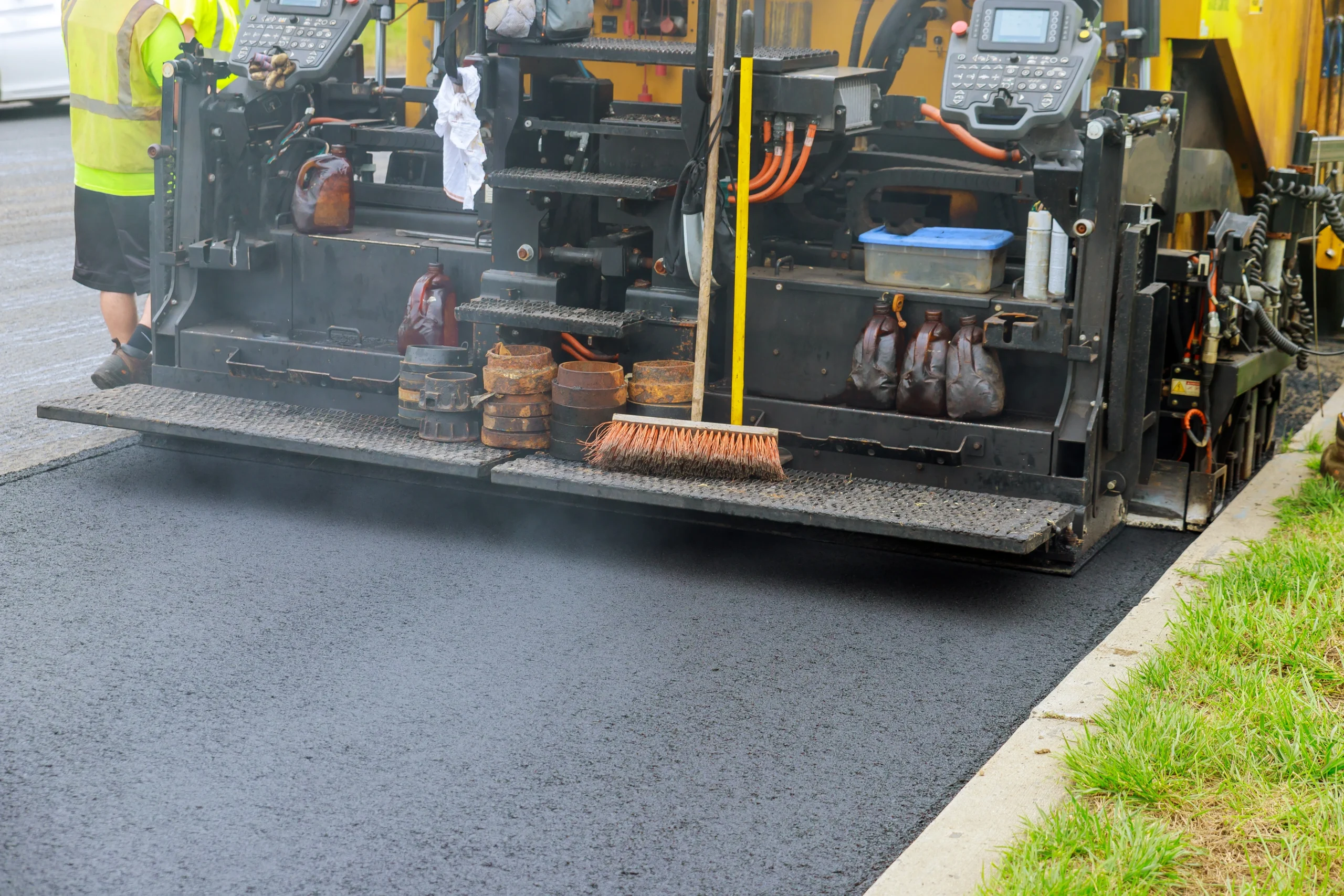
If your driveway is showing its age, the real question isn’t how bad it looks — it’s whether the foundation underneath is still sound. Most asphalt driveways can be repaired when the damage is on the surface and the base is intact. Replacement makes sense when the base has failed, the cracking is widespread, or the driveway is simply worn out. This guide covers how to tell the difference.
Cooper’s Blacktop Paving is a family-owned asphalt paving contractor based in Latrobe, Pennsylvania, serving Greensburg, Murrysville, and the surrounding towns since 1965. Because Cooper’s handles both repairs and full repaving, the right call comes down to the condition of your driveway — which is what the signs below help you read.
The quick answer: it comes down to the base
Whether you repair or replace an asphalt driveway depends mostly on one thing: the condition of the base beneath it. The base — the compacted stone layer under the asphalt — is what carries the weight and keeps the surface stable. When the base is still solid, surface problems like isolated cracks and small potholes can usually be repaired. When the base has failed, no amount of surface patching will hold, and repaving is the lasting fix.
So the question to keep in mind isn’t “how does the surface look?” but “is the foundation still doing its job?”
Signs your asphalt driveway can be repaired
If the damage is limited to the surface and the base is intact, repair is usually the right, cost-effective move. Good candidates for repair include:
- Isolated cracks. A handful of cracks, especially thin ones, can be cleaned and filled before water gets in and spreads the damage.
- Small, shallow potholes. Localized potholes can be patched when the surrounding asphalt and base are still sound.
- Surface wear in spots. Fading, minor raveling (loose aggregate), or a rough patch here and there is a surface issue, not a structural one.
- A driveway that’s still relatively young. If your driveway has plenty of years left and the problems are localized, repairs can extend its life well before replacement is on the table.
Crack filling and patching are the workhorses here. Filling cracks early is one of the most effective things you can do, because it keeps water out of the base — and water is what turns a small problem into a big one.
Signs it’s time to replace (repave)
Replacement makes sense when the problems point to the foundation, not just the surface. Consider repaving when you see:
- Widespread alligator cracking. Interconnected cracks in a scaly, alligator-skin pattern across large areas usually mean the base is failing underneath.
- Large or recurring potholes. Potholes that keep coming back after patching are a sign the base can’t support the surface anymore.
- Soft spots, sinking, or heaving. Areas that sink under weight, feel spongy, or have heaved up indicate base or drainage problems that a surface fix won’t solve.
- Standing water from poor grading. If water pools on the driveway or runs toward your house, the slope itself is the problem, and that’s addressed by regrading and repaving.
- Age plus broad deterioration. An asphalt driveway that’s past 15 to 20 years and deteriorating across the whole surface — not just in spots — has typically reached the end of its service life.
- A patchwork of past repairs. When more of the driveway is patched than original, repaving usually costs less in the long run than chasing new failures.
What Western Pennsylvania weather does to driveways
In this part of the state, freeze-thaw cycles drive the whole repair-or-replace timeline. Water seeps into small cracks, freezes, expands, and pries the asphalt apart; thaw, refreeze, and repeat all winter, and a hairline crack can become a network of cracks and, eventually, base damage. That’s why drainage matters so much here, and why filling cracks early can add years before replacement becomes necessary. A driveway that sheds water and gets its cracks sealed promptly will reach the “replace” stage much later than one that lets water sit and seep.
You don’t always have to repave
It’s worth saying plainly: a driveway that looks rough isn’t automatically a candidate for replacement. If the base is sound, targeted crack filling and a patch or two can often buy you several more years for a fraction of the cost and disruption of repaving. Replacement is the right answer when the foundation has failed — not simply because the surface has seen better days. When the signs are mixed, an on-site look is the only reliable way to tell which side of the line your driveway is on.
Why summer is a good time to make the call
Summer is a practical time to assess a driveway and act on it. Dry weather makes drainage problems easier to spot — you can see where water would pool or run — and warm, dry conditions are ideal for both repairs and full repaving. If you’re leaning toward replacement, summer’s long, warm days also help a new asphalt driveway compact and cure into a durable surface.
Frequently asked questions
How long does an asphalt driveway last? With proper installation and basic upkeep, an asphalt driveway in Western Pennsylvania commonly lasts 15 to 20 years or more. Drainage, the quality of the original base, and how promptly cracks are addressed all affect where in that range it lands.
Can you just patch a pothole, or does the whole driveway need redoing? If the base around the pothole is still sound, patching is usually enough. If potholes keep returning in the same area after patching, that’s a sign the base has failed and repaving is the more lasting fix.
How do I know if my driveway’s base has failed? The telltale signs are soft or spongy spots underfoot or under a vehicle, areas that sink or heave, and widespread alligator cracking. These point to problems beneath the surface that patching won’t correct.
Is it cheaper to repair or replace a driveway? Repair is the smaller investment and usually the better value when the base is still sound. Replacement is a larger job, but when the foundation has failed, repaving is more economical over time than paying to patch the same failures again and again.
How long does repaving a driveway take? Most residential driveways are repaved in one to two days, depending on size, removal, and access. The surface is usable fairly soon after, though new asphalt needs some care while it cures.
Not sure which your driveway needs?
If you’re weighing repair against replacement, the most reliable next step is an on-site look so the recommendation fits your driveway’s actual condition. Cooper’s Blacktop Paving is family-owned, has served Greensburg, Murrysville, Latrobe, and the surrounding area since 1965.
Call (724) 539-7202 for a free estimate.