Summer is a season of two halves for your asphalt. The same heat and sun that make June, July, and August so pleasant across Westmoreland County are quietly working against your driveway — softening the surface, drying out the binder that holds it together, and widening the small cracks that winter left behind. The good news is that summer is also the best time of year to deal with those problems while the weather is dry, and the ideal season to pour a brand-new driveway from the ground up.
At Cooper’s Blacktop Paving, we’ve been building and maintaining driveways and parking lots across Latrobe and Westmoreland County since 1965. Here’s what more than 60 years of working through Western Pennsylvania summers has taught us about keeping asphalt in good shape when the temperature climbs.
Why Is Summer Hard on Asphalt in Western Pennsylvania?
Asphalt is a flexible material by design, and heat makes it more flexible than you might want. On a 90-degree afternoon, the surface temperature of a dark driveway can climb well past the air temperature, and the asphalt softens. Concentrated weight — motorcycle kickstands, trailer jacks, jack stands, even the tight-turning power steering of a parked car — can leave dents and scuff marks in softened asphalt that would never appear in cooler weather.
Sunlight does slower, deeper damage. Ultraviolet rays break down the asphalt binder, the petroleum-based “glue” that holds the stone aggregate together. As that binder oxidizes, a healthy black driveway fades to a dull gray, the surface dries out, and fine cracks begin to spread. Left unchecked over the years, that drying leads to raveling, where loose stones work their way up out of the surface — and once a driveway reaches that point, resurfacing or a full replacement is usually the only real fix.
Then there’s our weather pattern. Western Pennsylvania summers bring frequent afternoon thunderstorms and high humidity. Heavy downpours expose any drainage problems fast, and standing water that sits on asphalt seeps into cracks and softens the base underneath. Every bit of water that gets in during summer becomes a freeze-thaw problem once winter returns — which is exactly why summer maintenance is really winter-damage prevention.
Ways to Maintain Your Asphalt This Summer
A few straightforward habits will protect your investment through the hottest months and set your driveway up to survive the next freeze-thaw cycle.
1. Keep the surface clean. Sweep off dirt, leaves, and debris regularly, and rinse the driveway when you can. Pay special attention to oil, gasoline, and other automotive fluids — these chemicals dissolve asphalt binder and will eat into the surface if left to sit. Clean spills as soon as you notice them.
2. Fill cracks before fall arrives. Small cracks are easy to ignore in summer, but every open crack is a path for water. Filling them now, while the weather is dry, keeps moisture out before the fall rains and winter freeze-thaw cycles turn a hairline crack into a pothole. Crack filling is one of the most effective things you can do for an aging driveway.
3. Patch small problem areas now. If you have a developing pothole, a sunken low spot, or a soft area that’s started to break apart, summer’s dry stretch is the time to have it repaired. Small repairs handled now stay small. Ignored until fall, water gets in, and the freeze-thaw cycle turns them into major damage by spring.
4. Fix drainage and standing water. After a thunderstorm, walk your driveway and note anywhere water pools instead of running off. Standing water is one of the fastest ways to ruin asphalt from the bottom up. Correcting the grade or improving drainage early saves you from base failure later.
5. Pull weeds from cracks and edges. Summer growth pushes weeds up through cracks and along driveway edges, and their roots pry the asphalt apart. Remove them promptly so they don’t widen the openings they grow through.
6. Go easy on a hot surface. On the hottest days, avoid parking heavy vehicles, trailers, or dumpsters in one spot for long stretches, and watch for kickstands and jack stands that concentrate weight on a small point. Softened asphalt depresses under that kind of load.
7. Care for new asphalt. If your driveway was paved recently, summer heat keeps fresh asphalt pliable longer than usual. Avoid sharp turns, point loads, and parking in the exact same spot every day until it has fully cured.
Summer Is the Best Time to Install a New Asphalt Driveway
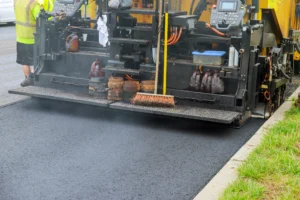
Maintenance keeps a good driveway going, but some driveways are past saving — and summer is the prime season to start fresh. Hot-mix asphalt is laid and compacted while it’s hot, and warm, dry weather gives the crew the working time and the ideal conditions to grade the base, lay the asphalt, and compact it correctly. A driveway installed in the heart of summer cures under the best possible conditions.
Installing a new asphalt driveway from the ground up is the core of what we do at Cooper’s. A driveway is only as good as the base beneath it, so we build ours right from the foundation — proper excavation, a solid stone base, correct grading for drainage, and a quality asphalt surface on top. If your current driveway is crumbling, riddled with potholes, or simply worn out, summer is the season to replace it rather than patch it one more time.
Summer is also our busiest stretch of the year for new installations, so if a new driveway is on your list for this season, it’s worth reaching out early to get on the schedule.
When Should You Call a Professional?
Some summer maintenance is easy to handle yourself. Other warning signs mean it’s time to bring in a paving contractor:
- Cracks that have spread into a connected, alligator-skin pattern
- Potholes, or soft spots that sink underfoot
- Water that pools and never fully drains
- Large faded or crumbling areas where loose stone comes up
- A driveway more than 15 to 20 years old that has never been resurfaced
When you notice these, a professional assessment will tell you whether a repair or a full replacement makes the most sense for your property.
Frequently Asked Questions
Does summer heat really damage asphalt? Heat alone won’t ruin a healthy driveway, but it softens the surface enough that concentrated weight can leave marks, and the sun’s UV rays slowly dry out and break down the binder over time. That gradual sun damage is the bigger long-term threat to an asphalt surface.
What makes an asphalt driveway last? A long-lasting driveway starts with the base. Proper excavation, a well-compacted stone base, and correct grading for drainage matter just as much as the asphalt on top. A driveway built on a solid foundation holds up to Western Pennsylvania’s freeze-thaw winters far better than one laid over poor ground.
Can a new asphalt driveway be installed in summer? Yes — summer is one of the best times of year for it. Warm, dry weather lets hot-mix asphalt lay and compact properly and cure under ideal conditions.
What’s the most important summer maintenance step? Keeping water out. Filling cracks and fixing drainage during the dry summer months prevents the freeze-thaw damage that does the real harm over a Western Pennsylvania winter.
Protect Your Driveway With a Local Contractor Who’s Been Here Since 1965
Cooper’s Blacktop Paving is a family-owned paving contractor based in Latrobe, serving homeowners and businesses throughout Greensburg, Murrysville, Export, Ligonier, and all of Westmoreland County. We’re proud members of the Westmoreland County Chamber of Commerce, and after more than 60 years in business, our reputation is built on honest work and treating every driveway like it sits on our own street.Whether you need cracks and potholes repaired or a brand-new asphalt driveway installed from the ground up this summer, we’ll give you a straight answer and a free estimate. Call us today at (724) 539-7202.